November 2026
How do heat pumps work?
Find out how heat pumps work, from taking warmth from the air or ground outside to heating your radiators and hot water.
Written by:


A heat pump is an electric heating system that moves heat rather than making it. It takes warmth from the air or ground outside and carries it into your home. Think of it as a fridge in reverse. A fridge moves heat out to keep your food cold. A heat pump moves heat in to keep your home warm, and it heats your water too.
What Is a Heat Pump?
A heat pump is a type of low-carbon heating. A boiler burns gas or oil to create heat. A heat pump collects heat that's already in the air or ground outside, then moves it indoors.
Even cold air holds some heat. A heat pump is designed to capture it, concentrate it, and use it to warm your home.
It runs on electricity, but most of the heat it gives you comes from outside. That's why heat pumps are so efficient. Each unit of electricity can produce three to four units of heat.¹
The Heat Pump Cycle Explained
Heat naturally flows from warmer places to colder ones. A heat pump reverses this. It moves heat from the colder outdoors into your warmer home.
It does this using a refrigerant. This is a special fluid that boils at a very low temperature, far below freezing. It travels around a sealed loop of pipes, switching between liquid and gas as it goes. Each switch lets it either soak up heat or give it away.
The cycle has four stages.
- Evaporation: the refrigerant soaks up heat from outside and turns into a vapour
- Compression: the compressor raises the vapour’s pressure and temperature
- Condensation: the hot vapour passes its heat to your heating system and turns back into a liquid
- Expansion: the pressure drops, cooling the refrigerant so it can collect heat again
Evaporation and Heat Absorption
The cycle starts outside. A fan pulls outdoor air over a coil called the evaporator. In a ground source heat pump, fluid from pipes buried in the garden does this job instead.
Inside the coil, the refrigerant is a cold liquid at low pressure. Even chilly outdoor air is warmer than the refrigerant, so heat flows into it. This makes the refrigerant boil and turn into a vapour, carrying the heat with it.
Compression and Temperature Increase
Next, the vapour flows into the compressor. The compressor squeezes it into a smaller space, which raises its pressure. As the pressure rises, the temperature rises sharply too.
It's a bit like a bike pump getting warm when you pump up a tyre.
This is the stage that uses electricity. The compressor does the hard work of turning low-grade warmth into useful heat.
Condensation and Heat Release
The hot vapour then moves into a heat exchanger called the condenser. Here, it passes its heat to the water in your heating system.
As it loses heat, the refrigerant cools and turns back into a liquid. Meanwhile, the warmed water travels on to your radiators, underfloor heating, or hot water cylinder.
Expansion and the Cycle Restarting
The liquid refrigerant is still under high pressure. It now passes through an expansion valve, which lets the pressure drop quickly.
This makes the refrigerant very cold again, ready to collect more heat outside. Then the cycle starts over, and keeps repeating while your heating is on.
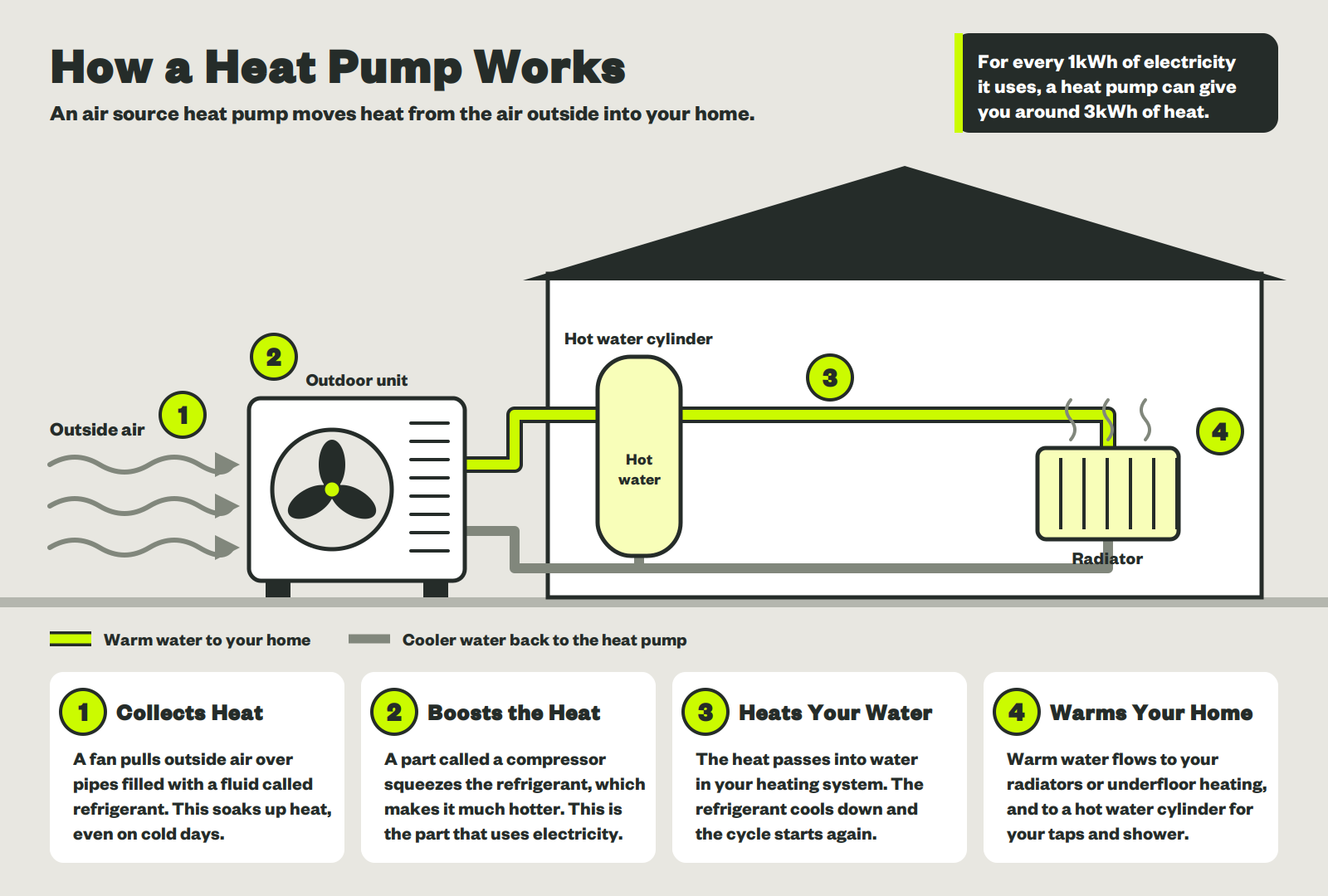
The Main Components of a Heat Pump System
A heat pump system has parts outside and inside your home. Here's what each one does:
- Outdoor unit: holds the fan and evaporator coil that collect heat from the outside air
- Compressor: raises the refrigerant's pressure and temperature, using electricity
- Condenser: passes heat from the refrigerant into the water in your heating system
- Expansion valve: drops the refrigerant's pressure so it can collect heat again
- Hot water cylinder: stores heated water for your taps, bath, and shower
- Heat emitters: the radiators or underfloor heating that release warmth into your rooms
- Controls: a thermostat or app to set your temperatures and heating times
In many air source heat pumps, the compressor, condenser, and expansion valve all sit inside the outdoor unit. Pipes then carry warm water into your home.
Air Source vs Ground Source Heat Pumps
Both types follow the same cycle. The difference is where they collect heat from.
Air source heat pumps take heat from the outdoor air. They're the most common type in homes in England, Scotland, and Wales. The outdoor unit needs a spot outside with space around it for air to flow.
Ground source heat pumps take heat from the ground. Pipes filled with water and antifreeze are buried in your garden. They're laid in long trenches or placed in deep holes called boreholes.
A few metres down, the ground stays at a fairly steady temperature all year. That makes ground source heat pumps more stable in winter, when the air is at its coldest.
The trade-off is installation. Digging trenches or drilling boreholes needs more space and causes more disruption to your garden. To weigh up your options, see the full list of pros and cons.
How Heat Pumps Warm Your Home and Hot Water
A heat pump connects to a wet heating system, the same kind a boiler uses. Warm water flows from the heat pump to your heat emitters, then back again to collect more heat.
Your heat emitters could be radiators, underfloor heating, or a mix of both.
For hot water, the heat pump warms a hot water cylinder. This stores hot water until you need it. Many homes with a combi boiler don't have a cylinder, so they'll need one fitted.
Why Flow Temperature Matters
Flow temperature is how hot the water is when it leaves your heating system. Heat pumps work most efficiently at lower flow temperatures, usually around 35°C to 55°C. A gas boiler often runs at 60°C to 75°C.
Cooler water gives off less heat. So some rooms may need larger radiators to stay comfortable. Underfloor heating suits heat pumps well, because it spreads gentle warmth across a large area.
Heat pumps also tend to run for longer at a steady, low level, rather than in short bursts. That keeps your home evenly warm.
Some homes use a hybrid system instead. This pairs a heat pump with a boiler, which can step in on the coldest days.
For more ways to keep your home warm without wasting energy, read our guide to energy-efficient heating.
Do Heat Pumps Work in Cold Weather?
Yes. Modern air source heat pumps can collect heat even when it's below freezing outside. The Energy Saving Trust says they can work efficiently in temperatures as low as -15°C.²
This works because the refrigerant boils at a much lower temperature than the outdoor air. As long as the air is warmer than the refrigerant, heat flows into it.
Efficiency does drop as it gets colder, because the compressor has to work harder. Engineers measure efficiency using the coefficient of performance. This compares the heat a heat pump produces with the electricity it uses. A coefficient of performance of 3 means three units of heat for every unit of electricity.
In cold, damp weather, frost can form on the outdoor unit. The heat pump deals with this by running a short defrost cycle. This melts the ice so the unit keeps working.
Good insulation and a well-designed system help a heat pump perform well all winter.
Heat Pumps and Renewable Energy
Heat pumps run on electricity, not gas. So the cleaner your electricity, the more carbon your heating cuts.
That makes heat pumps a natural partner for solar panels. Panels on your roof generate electricity that can help power your heat pump. A home battery can store spare solar power for later in the day.
Find out more about So Energy's solar and battery installation.
So Energy Heat Pump Installation Service
Every home is different, so every heat pump system needs to be designed around the home it's going into.
That's why we've partnered with Heat Geek and Installio, heat pump experts with a nationwide installer network. Their installers are certified by the Microgeneration Certification Scheme (MCS), the quality standard for home renewable heating.
They'll look at your home, your insulation, and your current heating. Then they'll design a system to suit, from the size of the heat pump to the radiators it needs.
Still deciding? Find out whether a heat pump is worth it for your home.
Heat Pump Mechanics FAQs
What Is a Heat Pump and How Does It Work?
A heat pump is a low-carbon heating system that moves heat instead of making it. It uses a refrigerant to collect warmth from the air or ground outside. A compressor raises the temperature of that warmth, using electricity. The heat then passes into your radiators and hot water. The refrigerant cools down and repeats the cycle.
How Do Heat Pumps Extract Heat From Cold Air?
Heat pumps use a refrigerant that boils at a very low temperature, far below freezing. Even air that feels cold to us is warmer than the refrigerant. So heat flows from the air into the refrigerant, which turns into a vapour. The compressor then raises its temperature high enough to heat your home.
What Are the Main Parts of a Heat Pump?
The main parts are the outdoor unit, compressor, condenser, and expansion valve. The outdoor unit collects heat from the air. The compressor raises its temperature. The condenser passes that heat into your heating system. The expansion valve drops the pressure so the cycle can start again.
What's the Difference Between Air Source and Ground Source Heat Pumps?
They work in the same way, but collect heat from different places. Air source heat pumps take heat from the outdoor air, using a unit outside your home. Ground source heat pumps take heat from pipes buried in your garden. The ground stays at a steadier temperature, but installing the pipes needs more space and digging.
Can a Heat Pump Heat Radiators and provide Hot Water?
Yes, a heat pump can do both. It sends warm water to your radiators or underfloor heating. It also heats a hot water cylinder, which stores water for your taps and shower. Heat pumps run at lower flow temperatures than boilers. So some rooms may need larger radiators to stay comfortable.
Do Heat Pumps Still Work in Freezing Temperatures?
Yes. Modern air source heat pumps can work efficiently in temperatures as low as -15°C.² They do become less efficient as it gets colder, because the compressor works harder. If frost builds up on the outdoor unit, a short defrost cycle melts it so the heat pump keeps running.
Sources
- Energy Saving Trust, In-depth guide to heat pumps: energysavingtrust.org.uk/advice/in-depth-guide-to-heat-pumps
- Energy Saving Trust, Air source heat pumps: energysavingtrust.org.uk/advice/air-source-heat-pumps
Should I Get a Smart Meter Installed In My Home?
Getting a smart installed in your home is both a free and smart move to make.
With a smart meter, you get real-time information about your energy usage, allowing you to make smarter choices and potentially save on your bills. Plus, it can help reduce the nation's carbon footprint and bring us closer to a greener future.
Stay Plugged Into Our Latest News & Views
We publish news regularly, keeping you informed on new products, industry changes and more.

Are Heat Pumps Worth It?
Find out whether a heat pump is worth it for your home, covering savings, grants, payback time, and suitability.
How do heat pumps work?
Find out how heat pumps work, from taking warmth from the air or ground outside to heating your radiators and hot water.
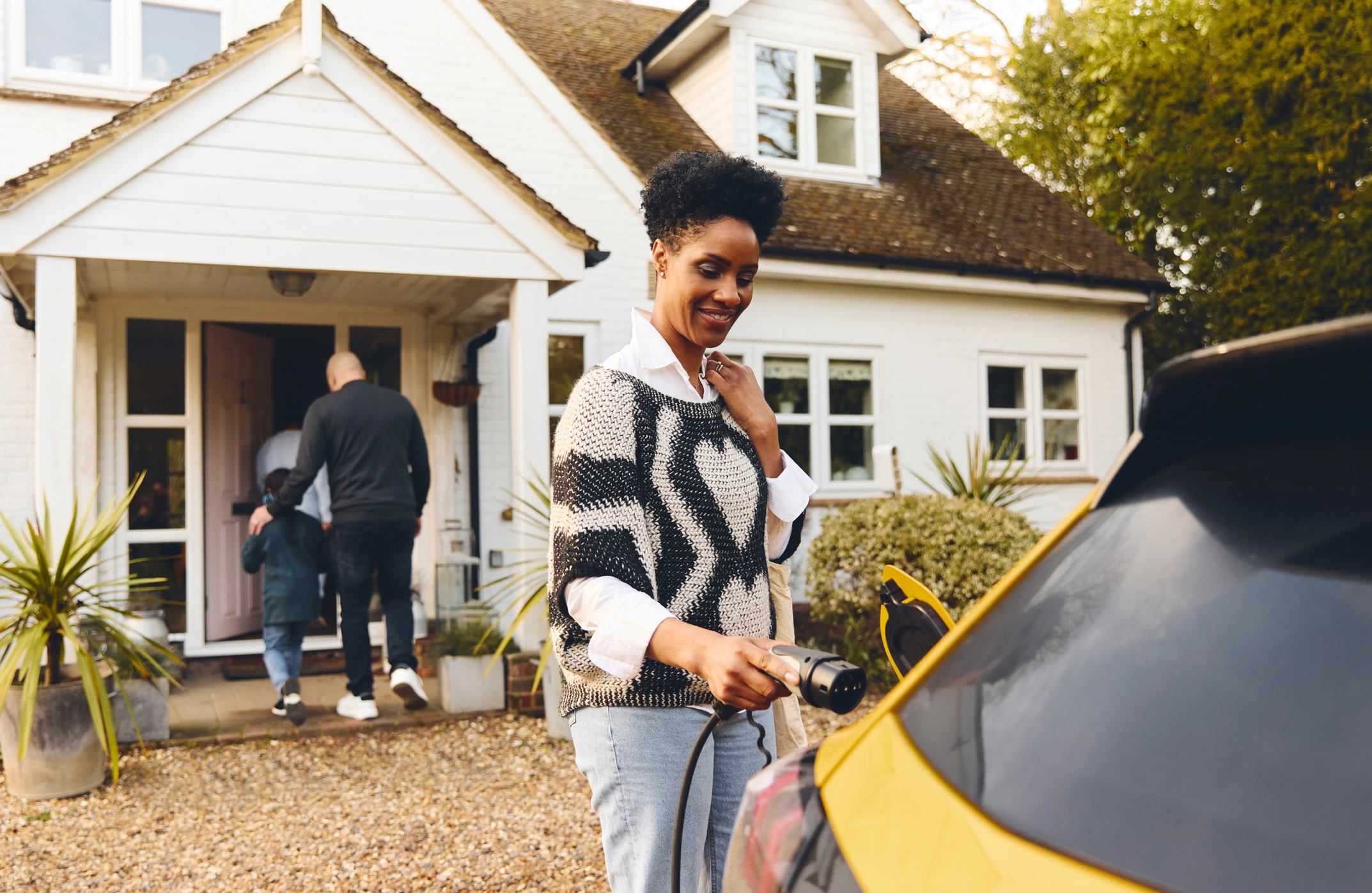
EV Charger Installation Guide: What You Need to Know
Thinking about installing an EV charger at home? Find out what it costs, the rules you need to follow, and how the installation works, step by step.
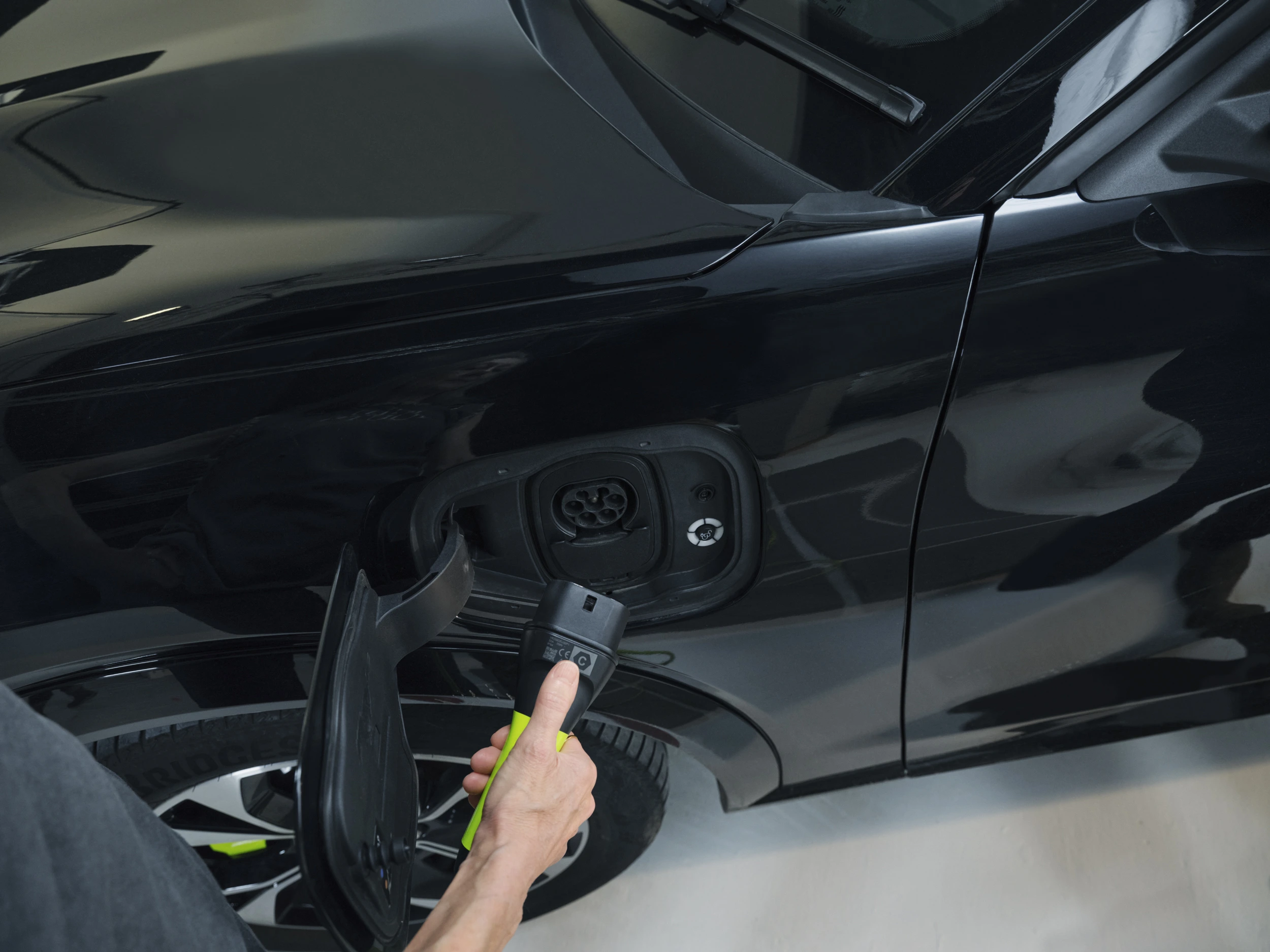
Home EV charger: buying guide
Compare home EV chargers by speed, tethered or untethered, smart features and cost, and learn how to choose the right electric car charger for your home.

How do solar batteries work and store energy?
Find out how solar batteries store energy, the different battery types available, and how they help lower your energy bills.

So Energy earns the 2026 Uswitch Flex Accreditation
So Energy's So EV and So Unique tariffs have been awarded the 2026 Uswitch Flex Accreditation. See what the award means and how flexible tariffs cut bills.
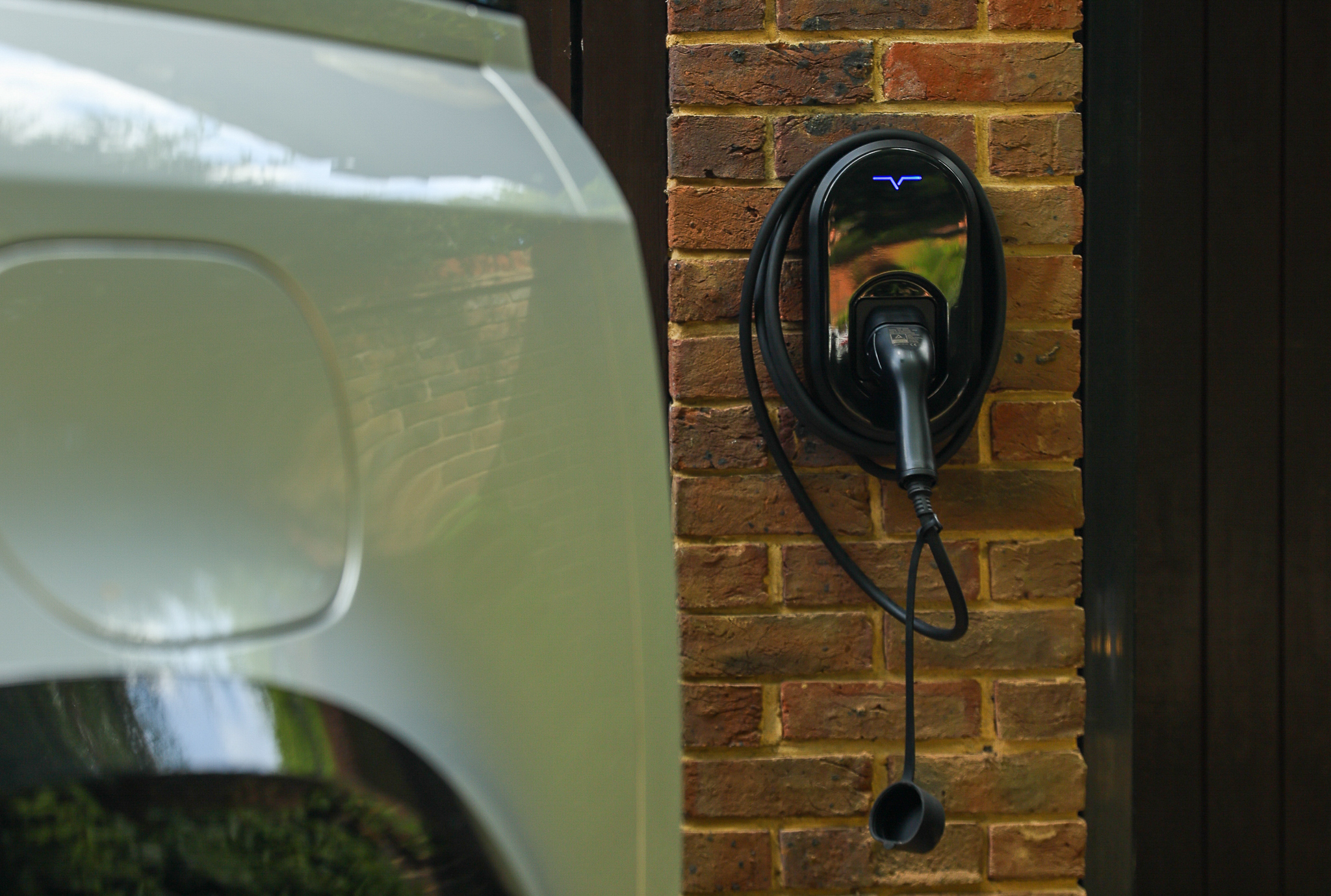
How much does it cost to charge an electric car at home?
Understand how using a smart charger combined with an EV tariff could save you hundreds on EV charging at home.