| Battery size |
Standard tariff (26.11p per kWh) |
So EV tariff (7.5p per kWh) |
| 40kWh |
£10.44 |
£3.00 |
| 60kWh |
£15.67 |
£4.50 |
| 80kWh |
£20.89 |
£6.00 |
| 100kWh |
£26.11 |
£7.50 |
Illustrative examples based on the Ofgem energy price cap electricity rate of 26.11p per kWh and So Energy's So EV off-peak rate of 7.5 per kWh between midnight and 5am. Actual costs will vary depending on battery size, charging efficiency and electricity tariff.
Most EV drivers rarely charge from completely empty to 100%. In reality, you're more likely to top up throughout the week, making day-to-day charging costs even lower.
What affects the cost of charging an EV?
1. Your electricity tariff
This is the biggest factor by far.
If you're charging on a standard household tariff, you'll pay the same rate regardless of when you charge. With specific EV tariffs, the big win is the ability to access cheaper overnight electricity, taking advantage of lower grid demand.
2. Battery size
Just like a larger fuel tank costs more to fill, a larger EV battery needs more electricity.
A compact EV may have a battery around 40kWh, while larger family SUVs can be 80kWh or more.
3. Charging habits
Most EV owners don't wait until the battery is empty. Regular top-ups are often more convenient and help spread charging costs across the month.
Why does charging time matter?
When you charge can be just as important as how much you charge.
Standard tariff vs EV tariff
Let's use a typical 60kWh battery as an example.
A full charge on a standard electricity tariff would cost around £15.67.
Schedule that same charge overnight using So Energy's So EV tariff, and the cost falls to around £4.50.
That's a saving of 71% every time you charge.
Over the course of a year, particularly for drivers covering higher mileages, the difference can amount to hundreds of pounds.
Let technology do the work
The good news is that you don't need to stay awake until midnight to benefit.
Smart chargers can automatically schedule charging during the cheapest periods. Your charger simply waits until the lower-rate window begins before starting to charge.
That's one reason why smart charging technology has become increasingly important for EV drivers.
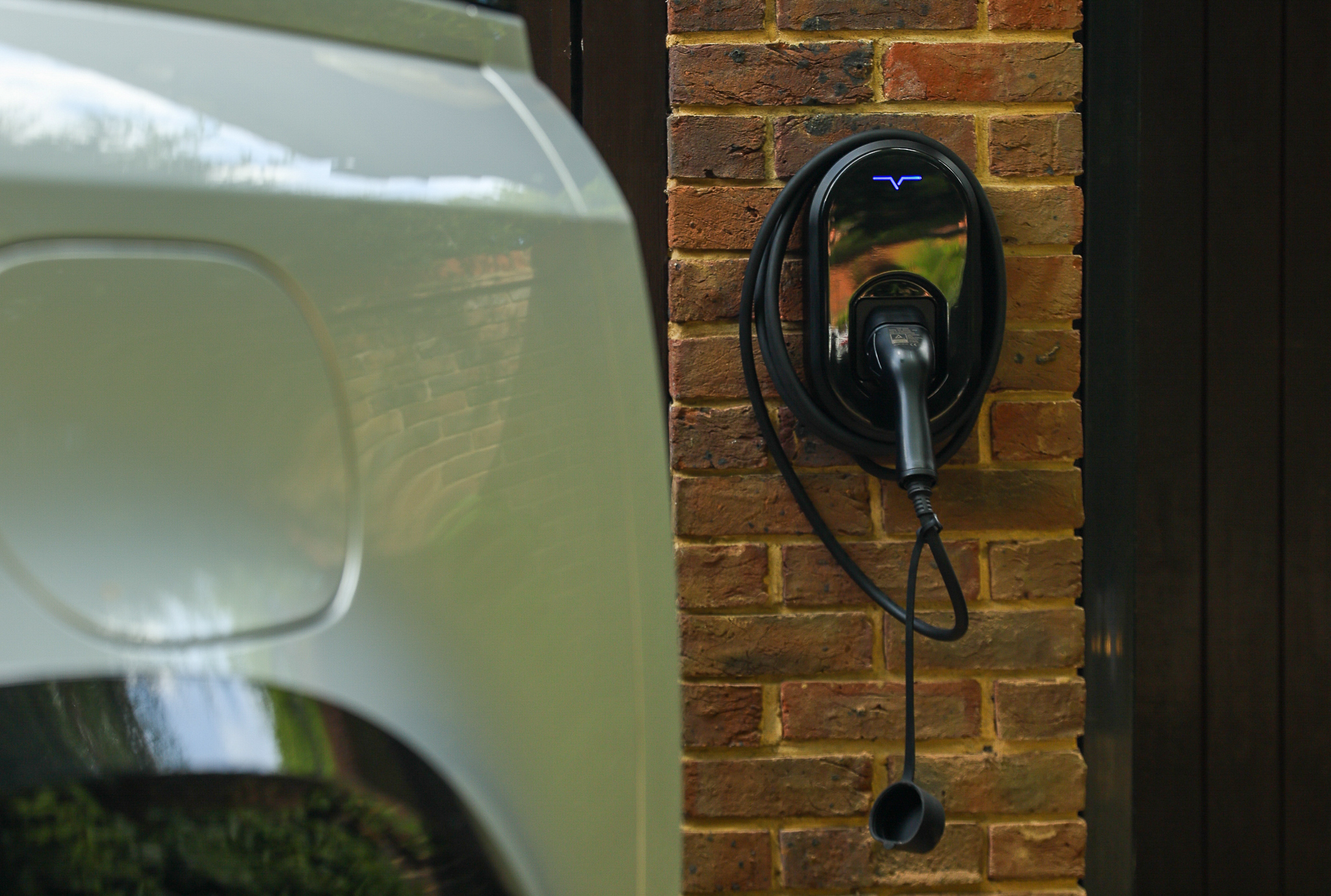
The VCHRGD Seven Pro, available through So Energy, includes a built-in scheduling feature, allowing drivers to automatically charge when electricity is cheapest. It also includes smart features such as solar integration, load balancing and app-based charging control.
VCHRGD chargers are fully compatible with So Energy's EV tariff and are designed to help customers maximise the lower-cost rates.
Through the VCHRGD Home app, drivers can manage charging schedules, with the charger itself designed with reliability and simplicity front of mind, including features such as smart scheduling, solar integration and exceptional customer support.
Home charging vs public charging
Being able to charge at home is a massive advantage for most EV drivers, from both cost and convenience perspectives.
Let's use a typical 60kWh battery as an example.
Based on the current Ofgem electricity price cap of 26.11p/kWh, a full charge would cost around £15.67.
Charge that same vehicle overnight on SoEnergy's So EV tariff, with its 7.5p/kWh off-peak rate, and the cost falls to around £4.50.
That's a saving of around 71% every time you charge.
For a driver covering 10,000 miles per year, that difference could amount to around £490 in annual charging cost savings, simply by shifting charging into the overnight window.
While public charging remains essential for longer journeys, home charging is where most EV drivers unlock the greatest savings. Charging overnight on a dedicated EV tariff can reduce running costs to less than 2p per mile, while rapid public charging can cost more than ten times as much for the same distance.
Five ways to reduce your EV charging costs
1. Switch to a dedicated EV tariff
For most drivers, this is the single biggest opportunity to save money.
To put that into context, a typical 60kh EV could cost around £15.67 to fully charge on a standard tariff but only £4.50 on So Energy's So EV tariff when charged overnight.
2. Use a smart charger
A tariff alone isn't enough. A smart charger helps ensure your vehicle charges during the cheapest available periodswithout requiring manual intervention.
3. Make sure you have a smart meter
Most time-of-use tariffs require a smart meter so your energy supplier can accurately measure when electricity is being used and apply the correct off-peak rates.
4. Drive efficiently
Smooth acceleration, sensible speeds and effective use of regenerative braking can all improve efficiency and reduce energy consumption.
5. Plan public charging carefully
When charging away from home, destination chargers and supermarket charging locations can often provide better value than motorway rapid chargers.
Charging your EV with So Energy
If you're starting your EV journey, the combination of a smart home charger and a dedicated EV tariff can make a significant difference to your running costs.
So Energy customers can benefit from EV-specific tariffs designed to reward overnight charging, helping reduce the cost of running an electric vehicle.
Pairing this with a VCHRGD charger adds another layer of convenience. Smart scheduling, solar compatibility and app control help drivers make the most of, and future-proof their home energy setup.
And that’s before VCHRGD’s true USP kicks in, its reputation for reliability and support. The company points to a lifetime return rate of less than 1% (ie how often a charger needs to be sent back with a problem) and has worked incredibly hard to deliver high customer satisfaction ratings, with 97%of customer reviews rated five stars.
For drivers taking their first steps into EV ownership, that combination of affordability, simplicity and support can make the transition much easier.
Frequently asked questions
How much does it cost to fully charge an EV at home?
For most UK drivers, a full charge costs between £10 and £26 on a standard tariff, depending on battery size. Charging overnight on an EV tariff can reduce that cost to as little as £3 to £8.
Is it cheaper to charge an EV at home or in public?
Yes. Home charging, especially when using a dedicated EV tariff, is usually significantly cheaper and much more convenient than public charging.
How long does it take to charge an EV at home overnight?
With a 7kW home charger you’ll be at full charge typically 6-10 hours, depending on battery size and starting charge level.
Do I need a smart meter to get an EV tariff?
Smart meters allow energy suppliers to measure electricity use during specific time periods and apply lower overnight rates.
What is the cheapest way to charge an electric car?
In the overwhelming majority of cases, it’s charging at home overnight using an EV tariff and a smart charger during lower-cost periods.
Can I charge an EV on a standard tariff?
Absolutely. However, drivers who regularly charge at home can often make meaningful savings by moving to anEV-specific tariff and using smart charging features.
Last reviewed: 3rd July 2026
Cost examples are based on the Ofgem energy price cap electricity rate of 26.11p per kWh and So Energy's published So EV off-peak rate of 7.5p per kWh. Public charging comparisons are based on typical UK rapid charging rates. Actual charging costs will vary depending on vehicle efficiency, charging behaviour and tariff selected.
Should I Get a Smart Meter Installed In My Home?
Getting a smart installed in your home is both a free and smart move to make.
With a smart meter, you get real-time information about your energy usage, allowing you to make smarter choices and potentially save on your bills. Plus, it can help reduce the nation's carbon footprint and bring us closer to a greener future.
Find out more
Stay Plugged Into Our Latest News & Views
We publish news regularly, keeping you informed on new products, industry changes and more.
Discover More
EV Charger Installation Guide: What You Need to Know
Thinking about installing an EV charger at home? Find out what it costs, the rules you need to follow, and how the installation works, step by step.
Home EV charger: buying guide
Compare home EV chargers by speed, tethered or untethered, smart features and cost, and learn how to choose the right electric car charger for your home.
How do solar batteries work and store energy?
Find out how solar batteries store energy, the different battery types available, and how they help lower your energy bills.
So Energy earns the 2026 Uswitch Flex Accreditation
So Energy's So EV and So Unique tariffs have been awarded the 2026 Uswitch Flex Accreditation. See what the award means and how flexible tariffs cut bills.
How much does it cost to charge an electric car at home?
Understand how using a smart charger combined with an EV tariff could save you hundreds on EV charging at home.
What Does Net Zero Actually Mean for You and the UK?
Discover how the 2050 Net Zero goal affects your energy bills, the planet, and how So Energy’s solar and EV solutions help you lead the charge.
Which Energy Tariff is Right For Me?
Learn how to choose the best So Energy tariff for your needs with our guide to tariff types and pricing, plus tools to help you save on energy bills.
Time-of-Use tariffs, and So Unique
Understand how Time-of-Use (TOU) tariffs work, how they might benefit you, and learn more about So Unique, our TOU tariff that's designed round you.



.png)